In the second year, we learned the basics of photography and how to create photo series. We focused on technical and design aspects like shutter speed, depth of field, and composition.
We practiced different types of photography, such as product photos, portraits, architecture, and macro shots. For example, we took clear product photos on neutral backgrounds and also creative photos that show moods or tell a story.
2nd grade

Compass
Sharp depth of field with the compass as a central motive, as a symbol for playing cards.
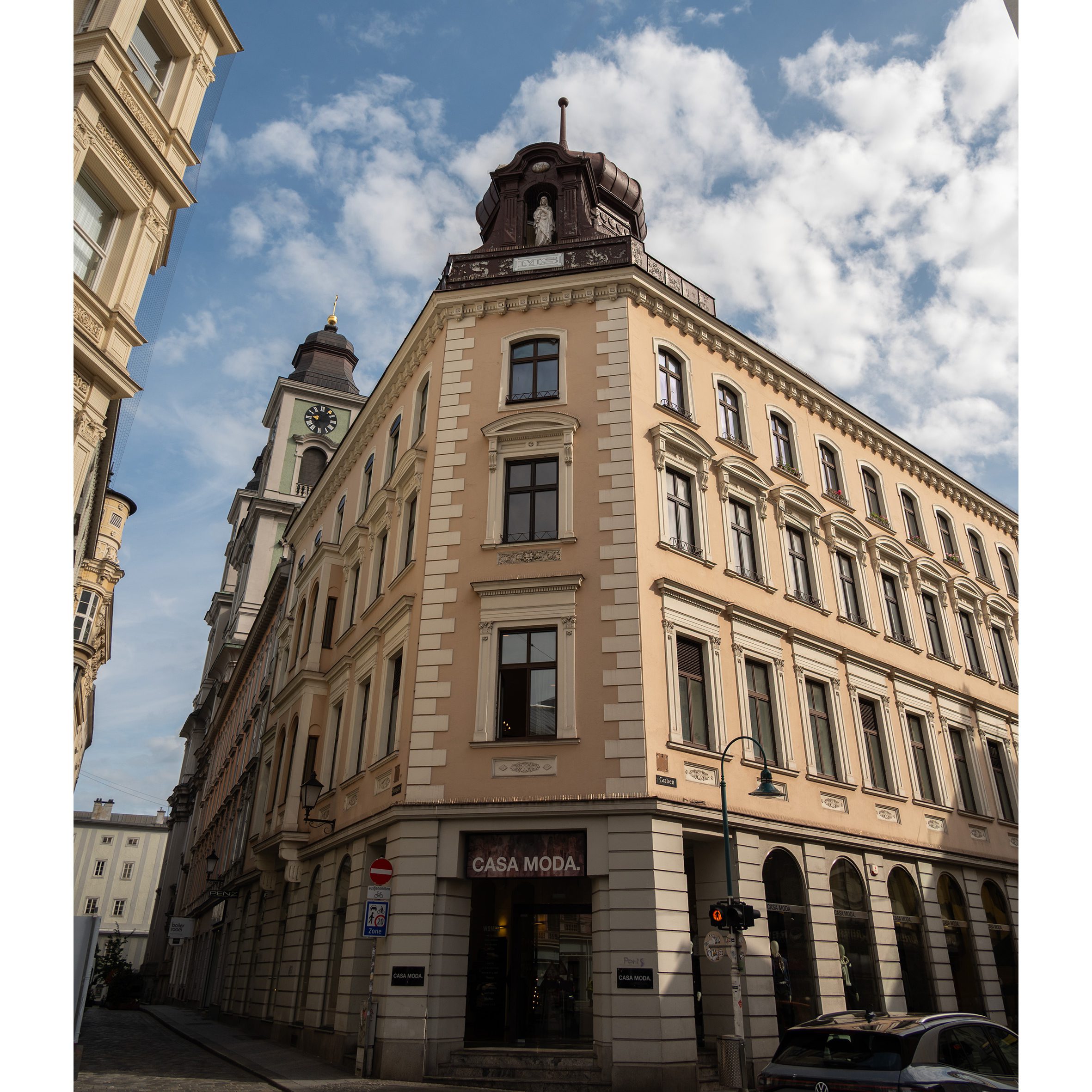
Atmospheric architecture
Building framed against a blue sky with soft clouds, capturing a calm and clear atmosphere.

Macro photography
Extreme close up revealing fine textures and patterns with shallow focus.
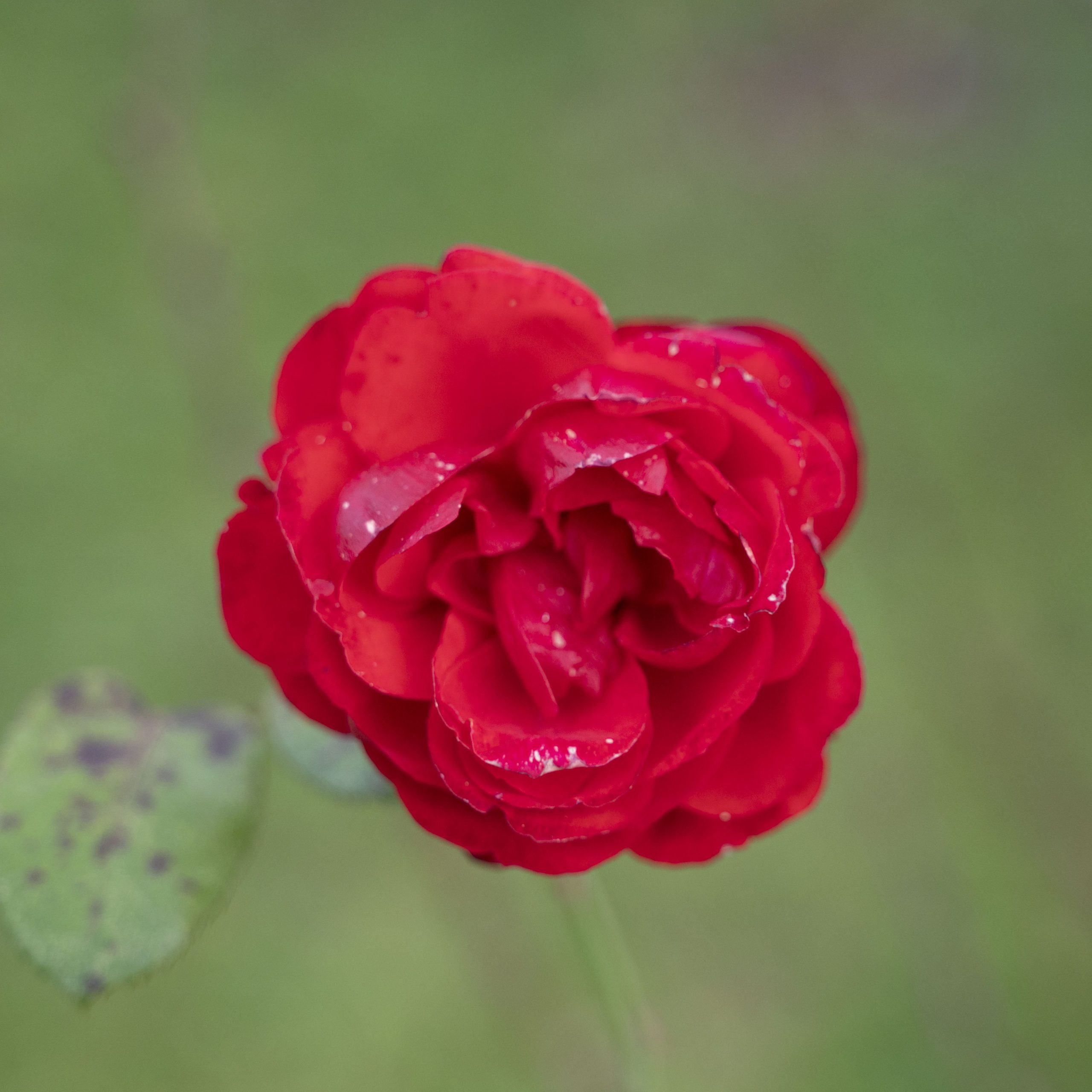
Red Flower
Vibrant rose emphasizing rich red tones and delicate petal structure.

Flower Study
Soft focus on a blossom highlighting natural color gradients and form.

Party Egg
Egg with a party hat and scattered confetti, playing on the word “FEIer” (celebration – EI = Egg).
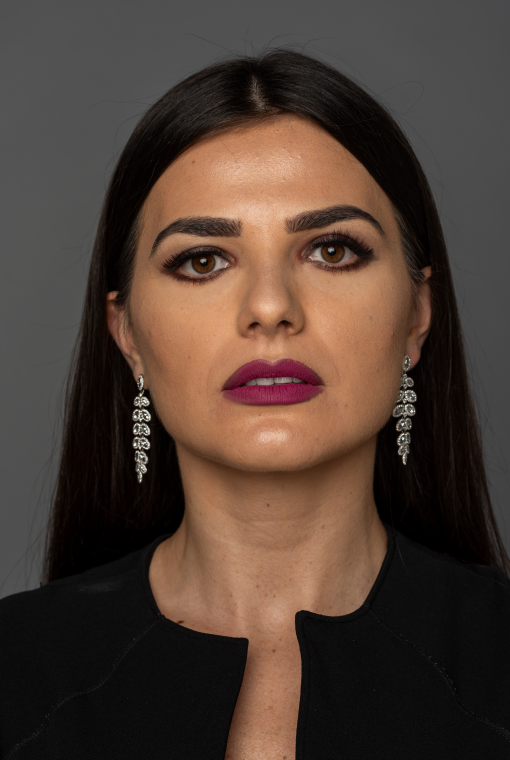

We also worked on portrait retouching in Photoshop.
The process included techniques like skin smoothing, removing skin imperfections, and correcting uneven tones.
We adjusted lighting and color to create a more natural and polished look while still keeping the person’s features realistic.
This exercise helped us understand how to enhance images subtly without over editing, and gave us practical experience with Photoshop’s retouching tools.
Before
After
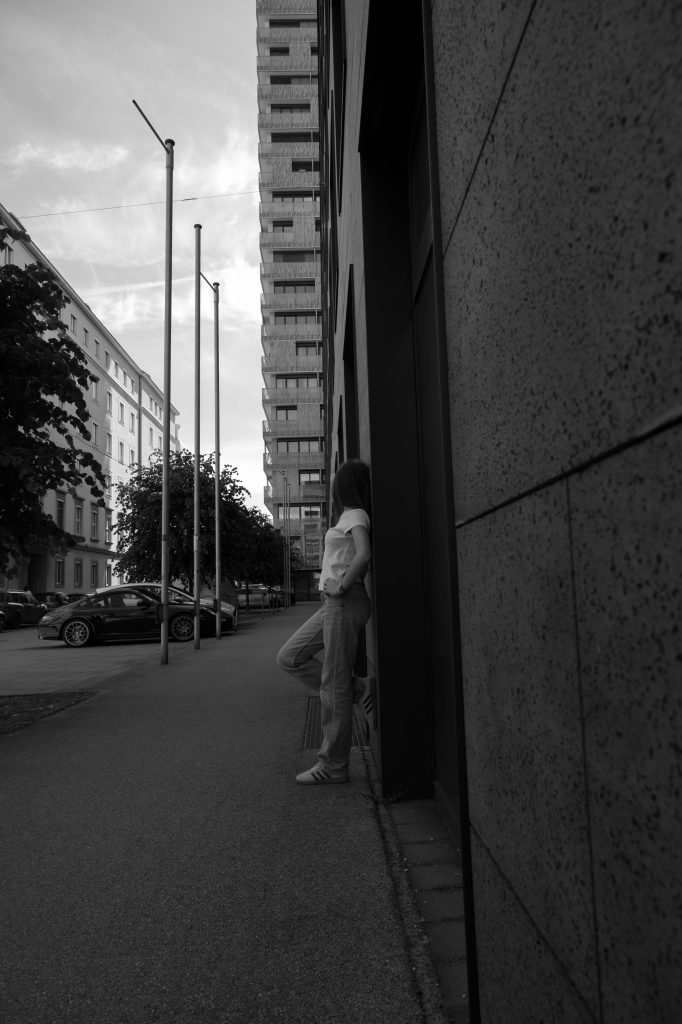
We worked on urban style portrait photography by taking our own pictures in city environments.
The focus was on using everyday surroundings ike buildings, sidewalks, and street elements to create visually strong and expressive portraits.
We paid attention to natural light, perspective, and composition to capture the atmosphere and mood of urban life.

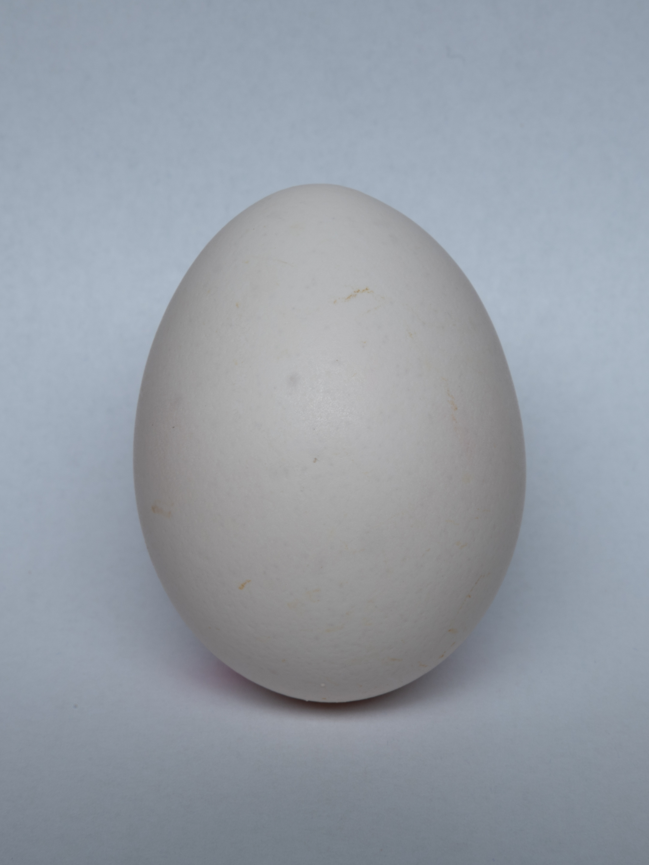
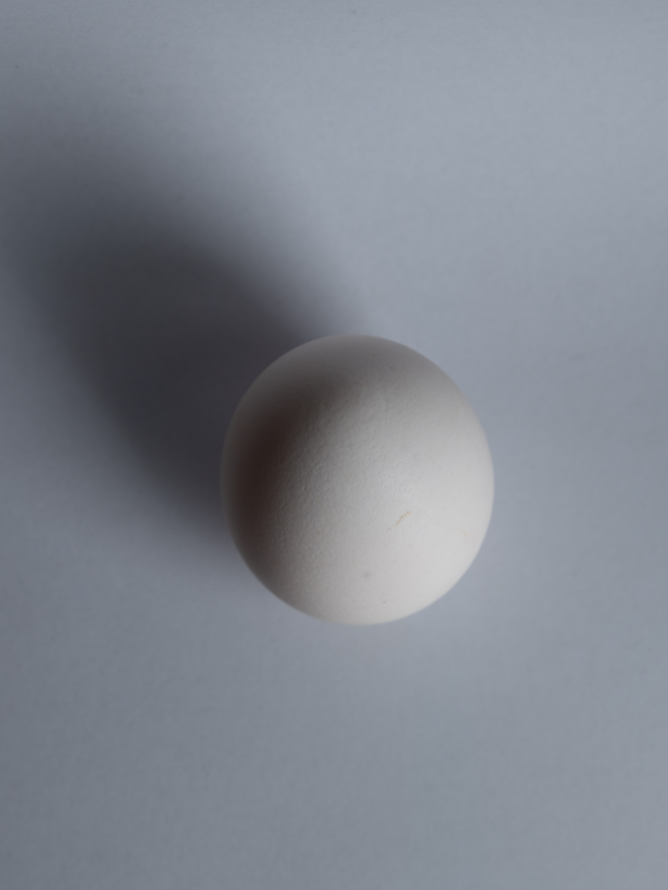
In this exercise, we focused on lighting and object positioning.
We were asked to photograph an egg twice, once with good lighting and once with poor lighting.
In the well lit version, the egg was positioned and illuminated in a way that clearly showed its shape, texture, and soft shadows.
In the poorly lit version, we used unfavorable lighting and a less effective position, which resulted in harsh shadows or a flat, less defined appearance.
This comparison helped us understand how both lighting and positioning work together to influence the overall look and impact of a photograph.